
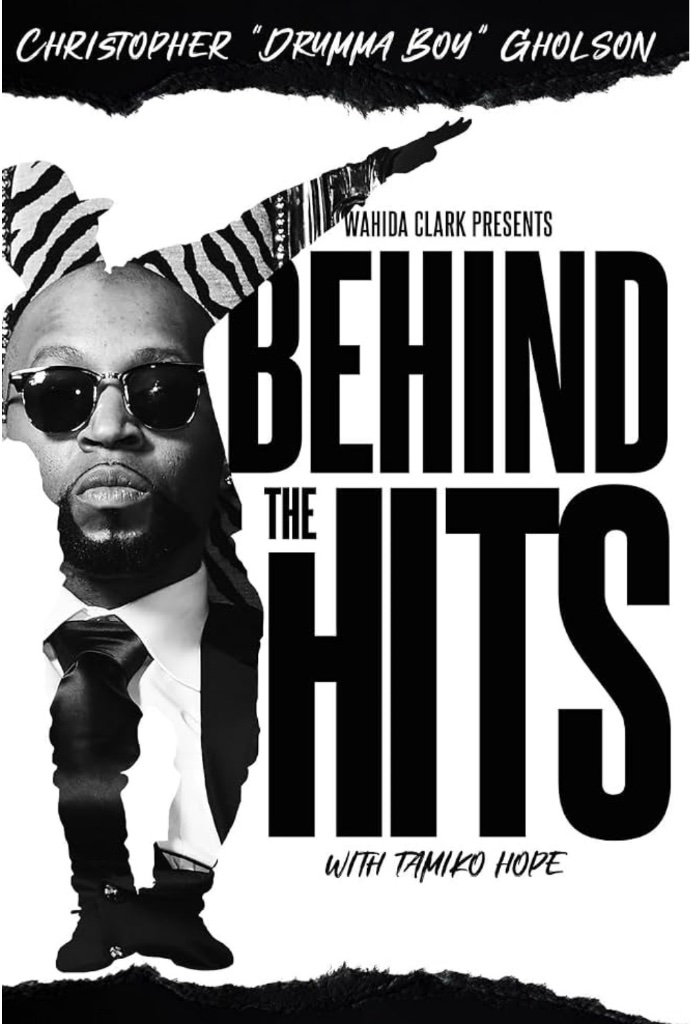

BEHIND THE HITS
by Christopher "Drumma Boy" Gholson
with Tamiko Hope
Multi-platinum, Grammy-nominated producer Drumma Boy pulls back the curtain on his legendary career. From his Memphis roots to defining the sound of modern hip-hop, get the untold stories behind the biggest tracks of the century.
The Architect of the South:
Inside "Behind The Hits"
Exclusive Media Feature
Deep Dive Analysis
When the heavy, brass-laden, 808-driven symphony of a true Southern rap anthem hits your speakers, there’s a distinct signature that commands immediate attention. "Listen to this track, bitch!" Before the beat fully drops, before the artist utters a single bar, that iconic producer tag signals that you are about to experience a masterpiece. The man behind that tag is Christopher Gholson, known globally as the multi-platinum, Grammy-nominated super-producer Drumma Boy.
For over two decades, Drumma Boy has been the sonic architect for hip-hop's elite. He has crafted the soundtrack of a generation, supplying inescapable hits for legends like T.I., Young Jeezy, Gucci Mane, Waka Flocka Flame, Rick Ross, 2 Chainz, Migos, and countless others. But until now, the full story of his ascent—from a classically trained musician in Memphis to the penthouse studios of Atlanta and beyond—has remained largely within the confines of industry lore.
Enter Behind The Hits: Drumma Boy. Presented by New York Times Bestselling Author Wahida Clark and co-authored by the esteemed Tamiko Hope, this literary debut is much more than a traditional memoir. It is a masterclass in musical theory, hustle, business acumen, and the unrelenting pursuit of greatness. It is a roadmap for aspiring creatives and a nostalgic vault for hardcore hip-hop aficionados.
The Genesis: Memphis Blood, Classical Veins
To understand the magnitude of Drumma Boy's impact, one must first examine his foundation. Born in Memphis, Tennessee—a city steeped in deep musical heritage, from Stax Records to the gritty underground cassette tapes of Three 6 Mafia—Christopher Gholson was destined for sonic greatness. But his path wasn’t forged solely in the streets; it was cultivated in the concert hall.
His mother was an opera singer; his father, a professional clarinetist and the first African American to hold the principal chair in the Memphis Symphony Orchestra. Music wasn't just a hobby in the Gholson household; it was a primary language. Young Christopher was classically trained, reading sheet music before he could confidently read a novel. He played the recorder, the clarinet, and ultimately, the drums—the instrument that would christen his moniker.
In Behind The Hits, Drumma Boy masterfully details how this rigorous classical training gave him a distinct advantage over his peers. While other producers were relying heavily on pre-packaged loops and sample chopping, Drumma was composing original orchestrations. He understood chord progressions, counter-melodies, and the mathematical precision of tempo. When he merged this classical foundation with the aggressive, trunk-rattling 808s of Memphis crunk music, he inadvertently created a completely new sub-genre. It was trap music, elevated to a cinematic scale.
The Atlanta Takeover: Building the Trap Empire
Memphis birthed him, but Atlanta crowned him. The book vividly chronicles his pivotal move to Atlanta in the mid-2000s, a time when the city was cementing its status as the "Motown of the South." Drumma Boy didn't just arrive in Atlanta; he kicked the door down.
Readers are treated to behind-the-scenes accounts of monumental studio sessions. Imagine being a fly on the wall when T.I. recorded tracks for the legendary Paper Trail or T.I. vs T.I.P.. Drumma Boy breaks down the creative tension, the late-night hours, and the raw energy that went into crafting anthems like "What Up, What's Haapnin'."
But perhaps his most synergistic and defining era was his partnership with Young Jeezy. The book delves deep into the creation of classics like "Put On," "Amazing," and "Lose My Mind." Drumma Boy explains the psychology of a Jeezy record—the need for triumph, pain, and overwhelming motivation built into the instrumental itself. The booming horns and sweeping strings became Jeezy's superhero cape, and Drumma Boy was the tailor.
The Gucci Mane Era and the Trap Renaissance
No conversation about Drumma Boy is complete without acknowledging his extensive work with Gucci Mane and the 1017 Brick Squad movement. Behind The Hits offers a fascinating look at Gucci Mane's unparalleled work ethic. Drumma recalls sessions where Gucci would knock out five to ten songs in a single night, barely writing anything down, simply stepping to the mic and letting the beat dictate the flow.
Through tracks like "Photoshoot" and Waka Flocka's "No Hands," Drumma Boy proved his versatility. He could deliver polished, cinematic grandeur for T.I., and chaotic, unadulterated street energy for Waka. The book serves as a historical document of this era, capturing the wild, fast-paced environment of Atlanta studios where millions of dollars were generated from sheer intuition and undeniable talent.
The Business of Music: A Blueprint for Independence
While the studio stories are intoxicating, the true value of Behind The Hits lies in its educational core. Co-author Tamiko Hope ensures that the book serves as a manual for the music business. Drumma Boy is remarkably transparent about the pitfalls of the industry. He discusses publishing, publishing splits, performing rights organizations (PROs), management, and the crucial difference between a beat-maker and a record producer.
He shares the hard lessons learned about bad contracts and the importance of owning your intellectual property. For any young producer downloading FL Studio today, this book is an indispensable shield against industry vultures. Drumma Boy’s transition into entrepreneurship—launching his Drum Squad imprint, diving into fashion, acting, and philanthropy—demonstrates that making hits is just the first step; maintaining wealth and relevance is the real marathon.
A Legacy Cemented in Print
Wahida Clark, the Queen of Thug Lit, recognized the power of Drumma Boy's narrative. Her presentation of this book bridges the gap between urban literature and music history. It proves that the stories of hip-hop's creators are just as compelling, complex, and vital as the tales spun in fiction or the lyrics rapped on the mic.
Behind The Hits is a testament to the fact that hip-hop is not a fleeting trend, but a dominant cultural force driven by brilliant minds. Christopher "Drumma Boy" Gholson took the classical discipline of Beethoven and infused it with the soul of Memphis and the swagger of Atlanta. In doing so, he didn't just make hits; he shifted the paradigm of popular music.
Now, through these pages, he invites you to sit at the console, adjust the faders, and experience the genius firsthand. "Listen to this track, bitch"—and read this book, because the history of Southern hip-hop cannot be written without a heavy chapter dedicated to Drumma Boy Fresh.
Latest Media & Interviews
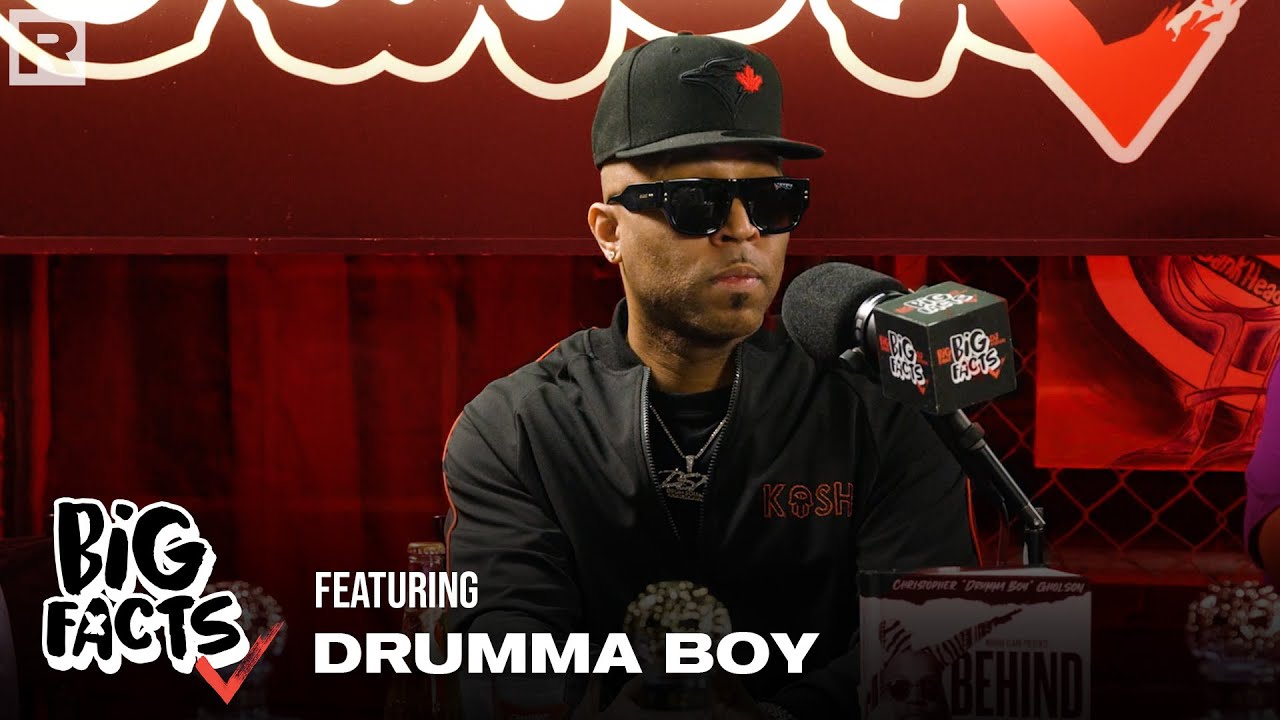
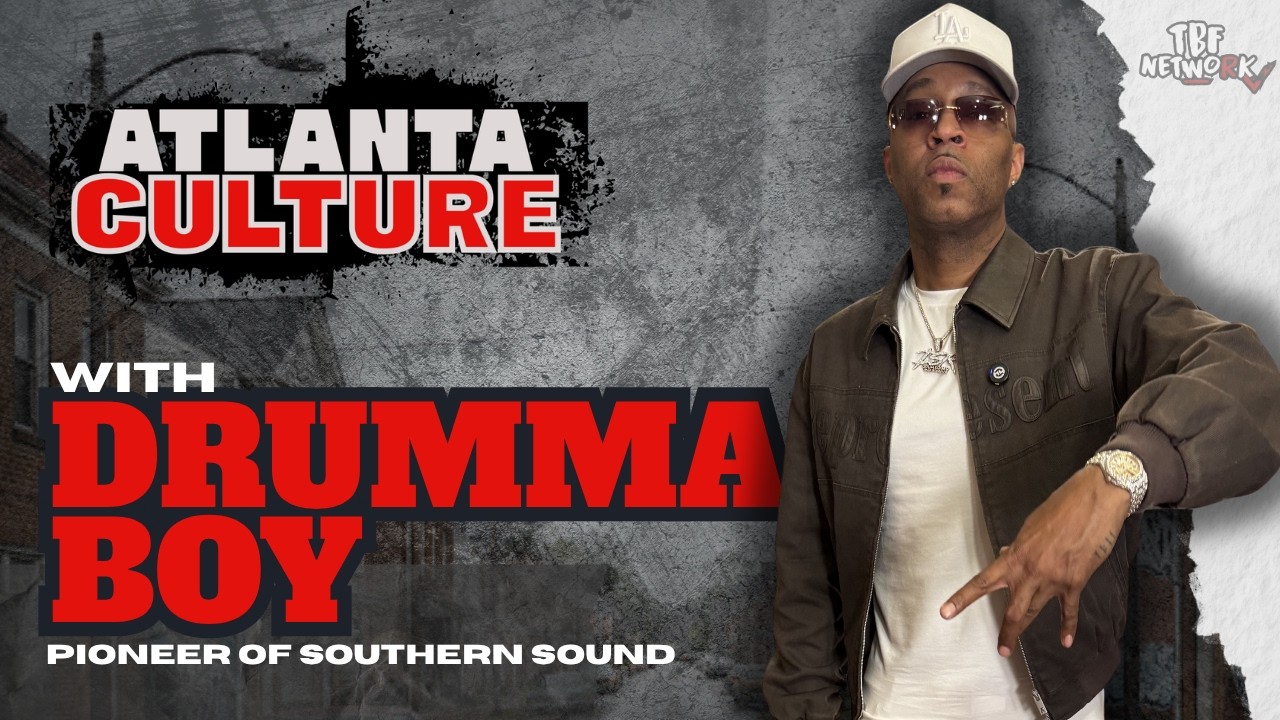
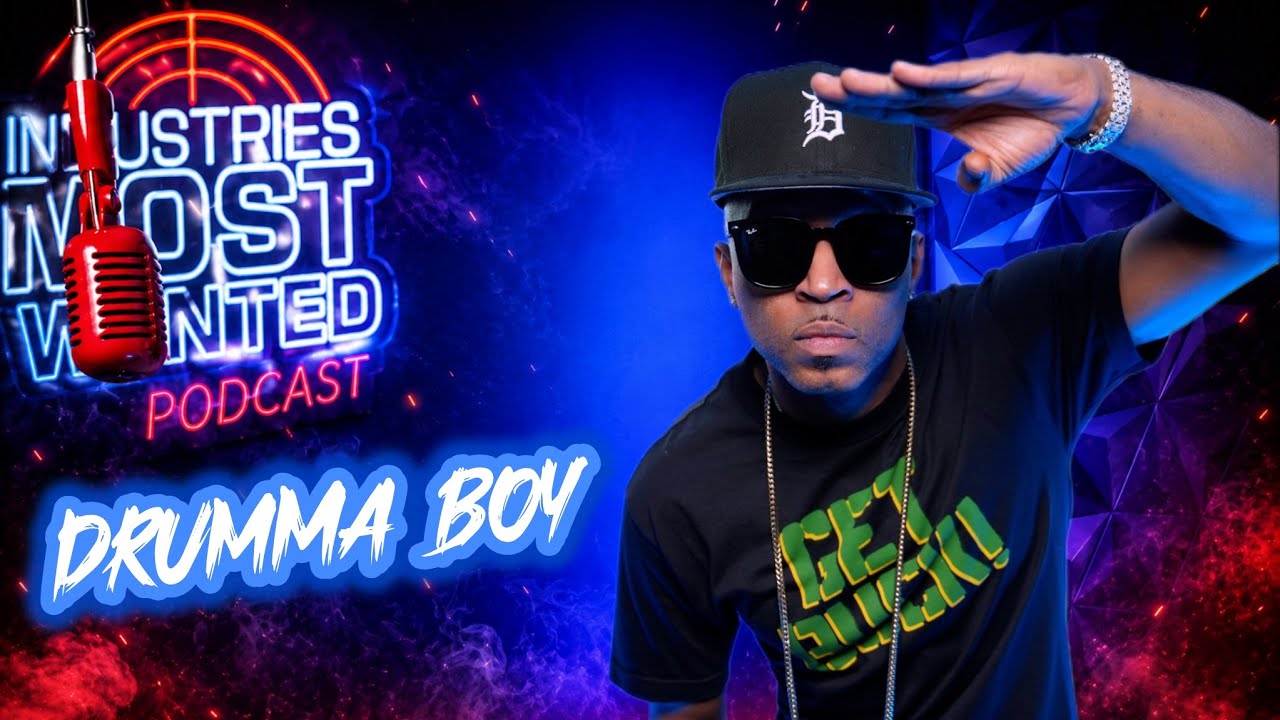
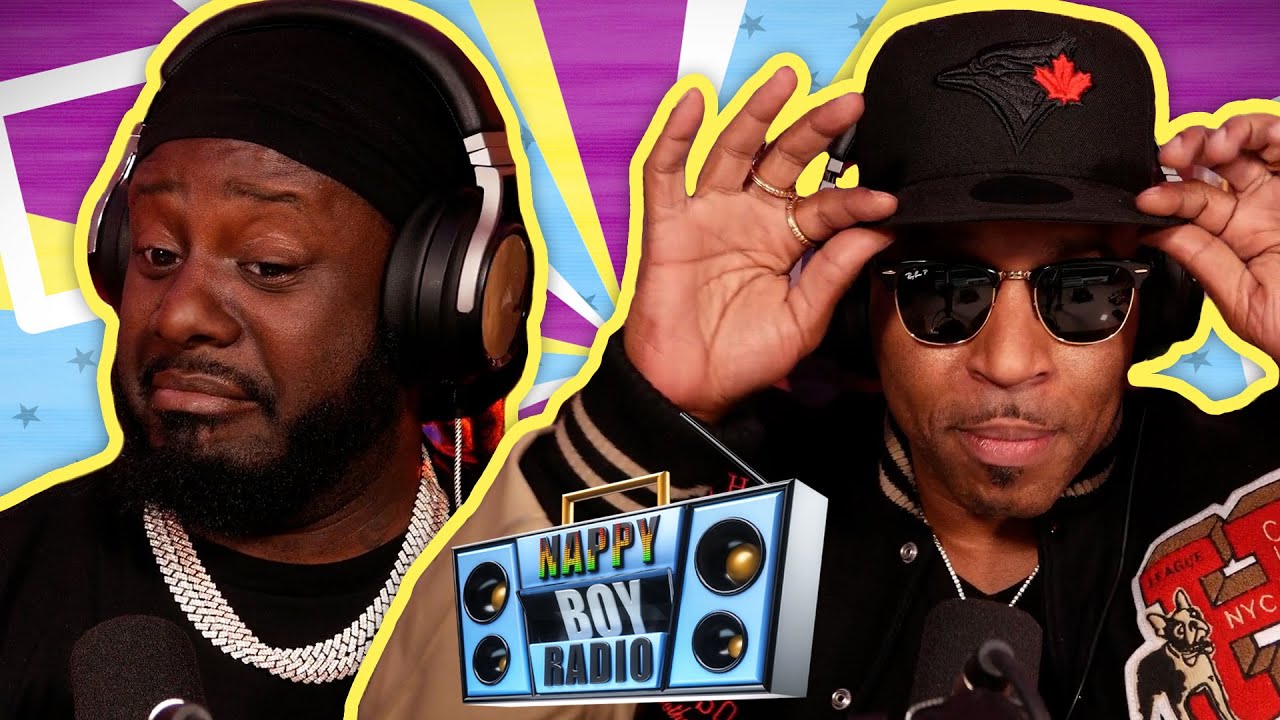
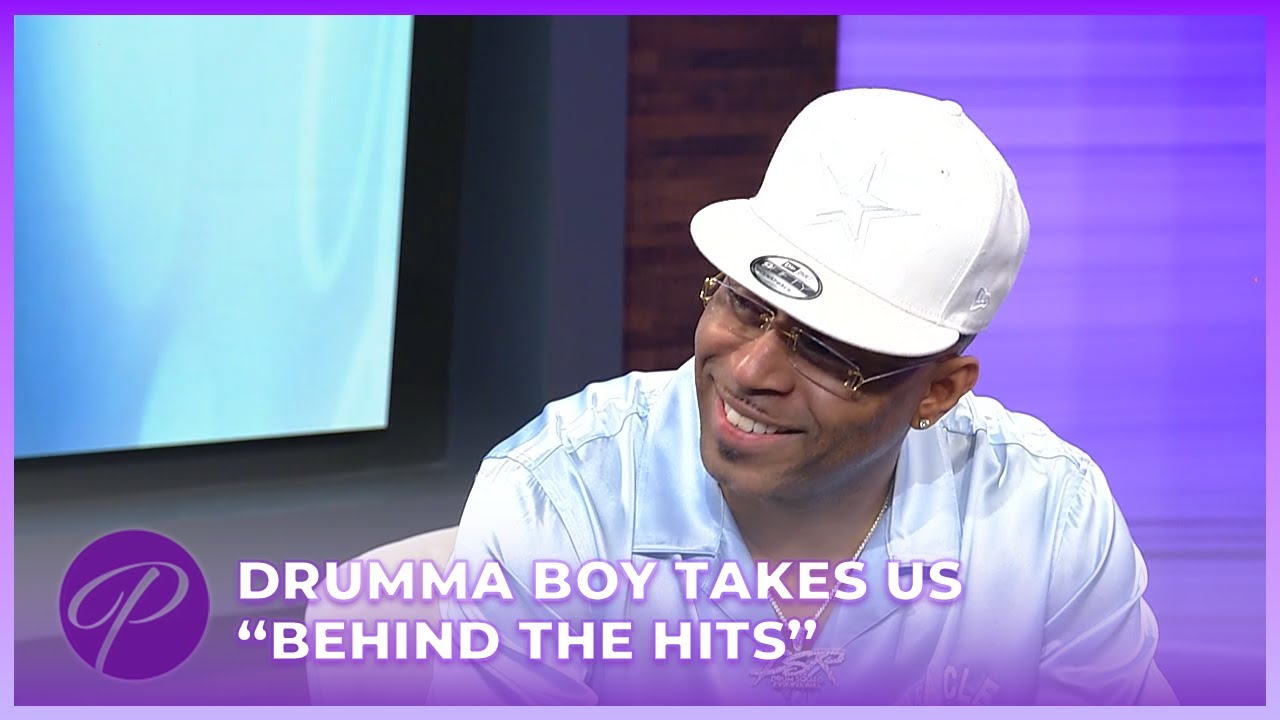
Watch Drumma Boy discuss the book, his career, and his legendary production catalog.
Get Your Autographed Copy
Secure a piece of hip-hop history. Order a physically signed copy of Behind The Hits directly from Drumma Boy.
Send $99.99 via Zelle
Send your payment to Drumma Boy at +1 (310) 773-1183 and take a screenshot.
Fill out shipping details
Complete the secure form, upload your payment screenshot, and provide your e-signature.
Receive your signed book
Drumma Boy will personally sign your copy and ship it out.
Note: Please include your Instagram handle if you'd like a potential shoutout on social media when your book ships!